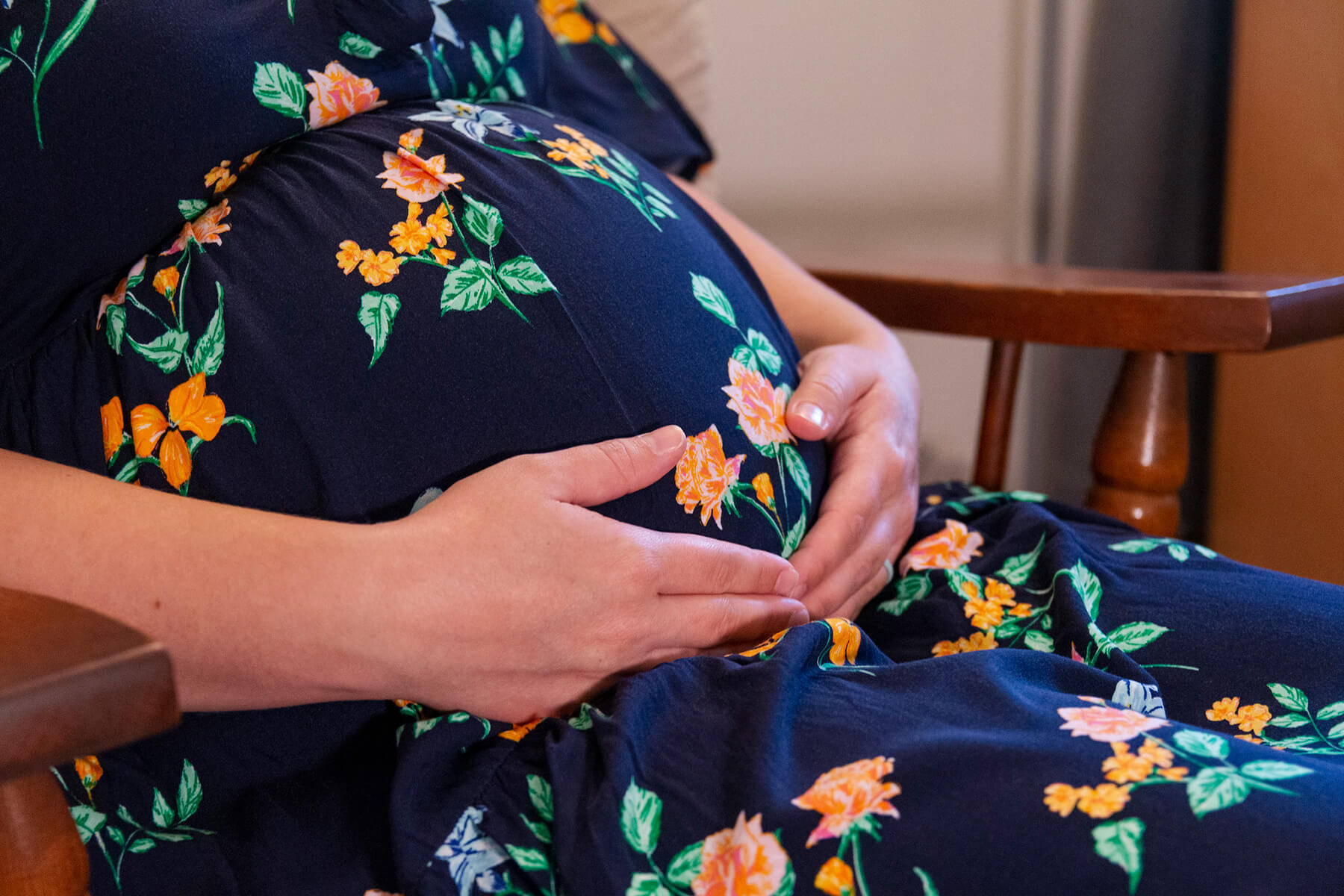
 Although it can be a challenge to treat rosacea during pregnancy, there are several effective and safe treatments, according to a recent article reviewing the findings of 20 papers on the subject. The researchers examined different signs and symptoms of rosacea and the safety profiles of treatments used to address each, as well as the efficacy of holistic management and osteopathic manipulative treatments (OMT) as additional therapy. The study found that a combination of pregnancy-safe over-the-counter or prescription drugs, alongside OMT or other kind of holistic management, was a highly effective approach.
In addition, the authors urged healthcare providers to consider not only safe treatment of physical symptoms when it comes to pregnant patients, but to “look at the whole patient and evaluate how this disease may be affecting the psychological and social aspects of their life.”
The studies reviewed indicate that pregnant patients should start with topical therapy. The investigators reported that the most effective single therapy options for use during pregnancy include topical metronidazole, microencapsulated benzoyl peroxide, and sodium sulfacetamide. Topical azelaic acid is also commonly prescribed for use during pregnancy. Topical retinoids are discouraged, and oral retinoids and ivermectin are not considered safe for use in pregnancy.
Oral antibiotics that are considered safe for rosacea treatment during pregnancy include oral penicillins, macrolides, and cephalosporins. Although oral doxycycline and minocycline are effective in treating papulopustular rosacea, using these drugs in the second or third trimester may lead to fetal and maternal complications, and so should be avoided during pregnancy, the authors stated.
Low-dose topical steroids such as prednisone and prednisolone were determined to be safe for use during pregnancy; however, oral steroids and topical steroids at higher doses, particularly when used in combination with oral antibiotics, run the risk of fetal complications. In addition, long-term use of topical steroids may lead to steroid-induced rosacea, a painful and slow-to-resolve condition that mimics the redness and bumps and pimples of rosacea. In general, steroids should not be used to treat rosacea.
The study also indicated that holistic, non-pharmacological treatments of rosacea, like massage and lymphatic drainage, may be effective adjunctive therapies for rosacea treatment. For patients presenting with rosacea-related swelling, OMT is promising as a sustainable and low-risk treatment. OMT could involve massage, compression, lymphatic drainage, and other exercises. One case report in a non-pregnant woman found that four 10-minute sessions of basic lymphatic-focused OMT led to much improved facial swelling, the authors noted.
Further research to establish clearer safety profiles for holistic therapies and expand the evidence base for non-pharmaceutical interventions as an adjunctive treatment, the authors concluded.
Reference:
Garelick E, Hurley M, Noto-Bell L, Cubelli S. A Holistic Approach to Treatment of Rosacea During Pregnancy: A Systematic Review. J Skin 2025;9(4):2405-2416. doi:10.25251/c0949211